
Unexpected Triumph: More Battlefield 6 Players Finished the Campaign Than Industry Analysts Predicted










Popular Now
 Grand Theft Auto V
 Schedule I
 Free Fire Max
 Stumble Guys
Sonic the Hedgehog™ Classic
Stumble Guys
Sonic the Hedgehog™ Classic
 PUBG Mobile
 Fall Guys
 Poppy Playtime
 The Legend of Zelda
Roblox
The Legend of Zelda
Roblox
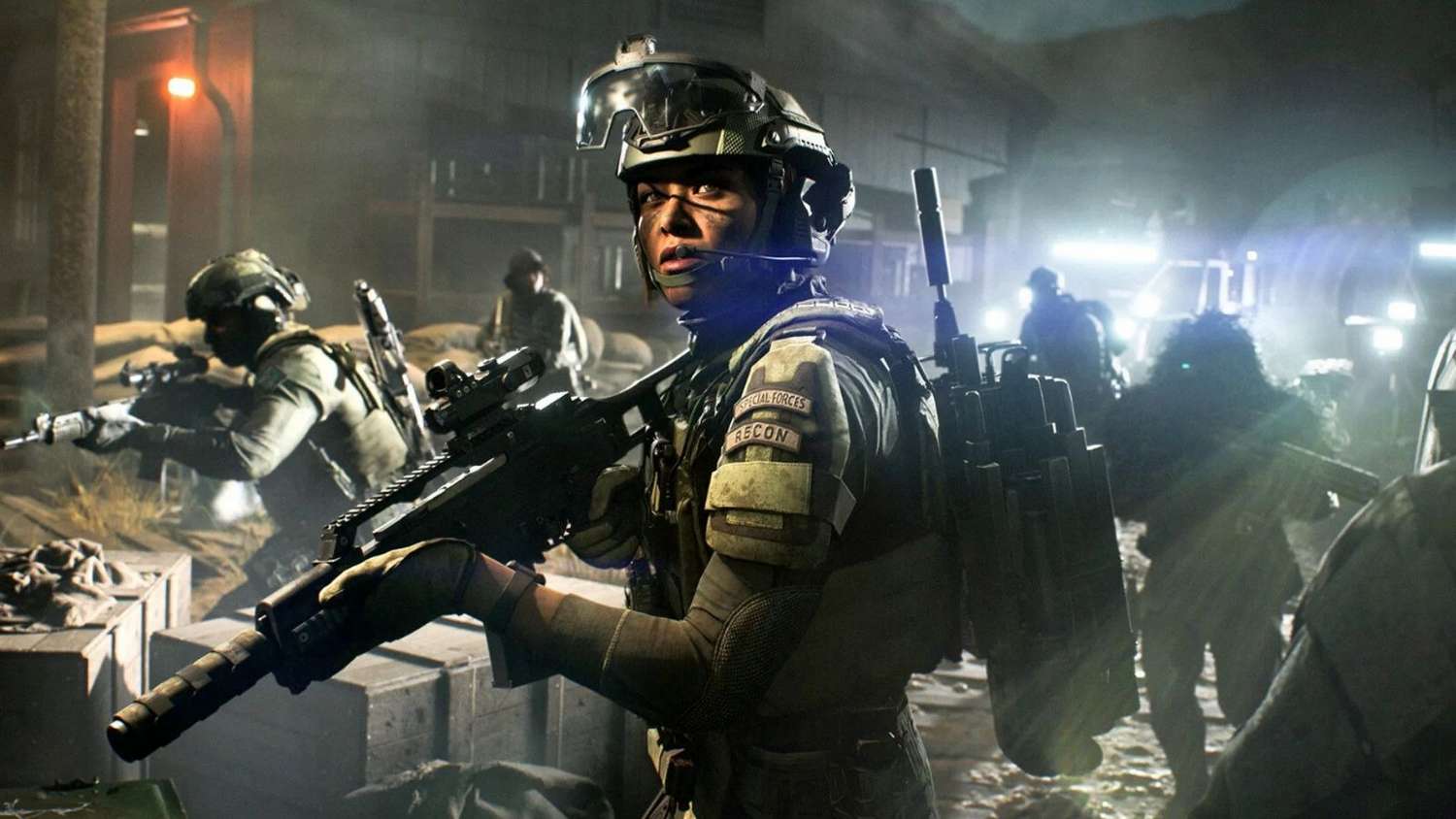 The Battlefield 6 single-player campaign has become a significant talking point in the video game industry this week, with newly surfaced internal data suggesting an unexpectedly high player completion rate. Despite initial lukewarm critical reception and a dominant narrative focused on the game’s multiplayer suite, a substantial portion of the player base appears to have seen the campaign’s dramatic conclusion, defying both past franchise trends and early analyst projections. This development poses a compelling question about the evolving value proposition of the single-player experience in a live-service era.
Electronic Arts (EA) and Battlefield Studios have remained tight-lipped on official, global completion statistics. However, data aggregated from platform achievements and trophies—often a reliable proxy for overall engagement—indicates that the rate of players who unlocked the final story achievement is significantly higher than that of previous Battlefield titles, and even competitive with some purely single-player experiences. Industry sources, speaking on condition of anonymity, estimate the completion rate to be in the range of 35-40% of total buyers, a remarkable figure given the game’s record-breaking launch sales of over 7 million copies.
The consensus has long been that Battlefield campaigns serve as mere appetizers to the main course of all-out warfare multiplayer. Historically, completion rates for this franchise have often languished below 20%. This surprising upswing merits closer examination of what drove players to stick with the narrative, which many reviewers initially deemed a “trope-filled” and “on-rails” experience.
The Campaign: A Necessary Investment or a Hidden Gem?
The single-player component of Battlefield 6—a franchise return to the mode after a notable absence—was designed as a high-fidelity, globetrotting affair spanning nine missions. Reviews often praised its technical showcase and epic scale, particularly on next-gen console platforms (PlayStation 5 and Xbox Series X) and high-end gaming PC setups, highlighting stunning destructibility and cinematic moments. However, critics frequently dismissed the narrative as “forgettable” and “narrative cowardice” for failing to deliver a compelling, gritty story.
The current completion rate suggests that the majority of the player base either enjoyed the core gameplay loop sufficiently to overcome narrative shortcomings or viewed the campaign as an essential part of their $70 investment in the premium title. For users who invested heavily in a custom gaming PC or secured a hard-to-find PlayStation 5 at launch, experiencing the game’s full technical potential might be a powerful motivator.
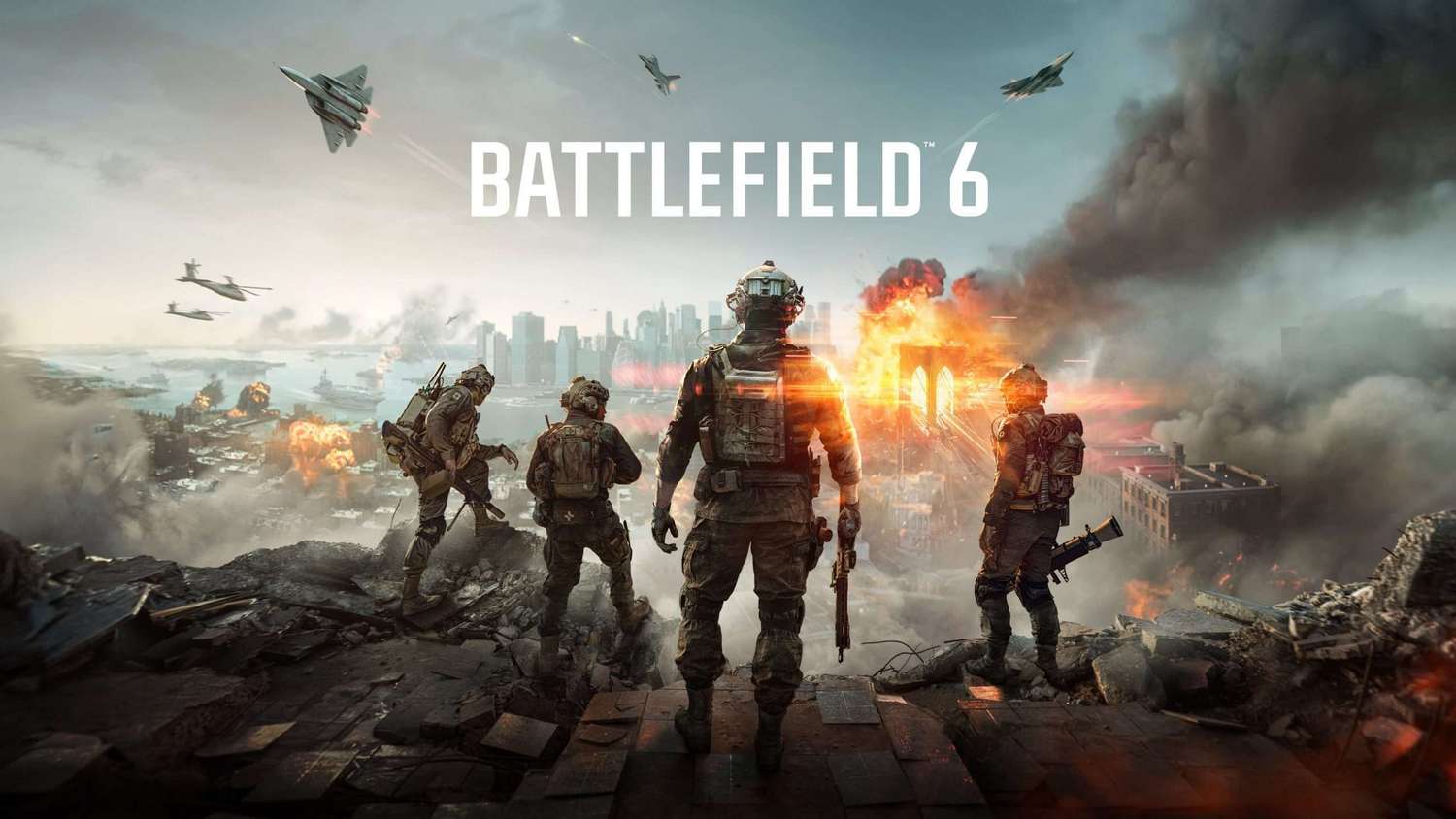 Factors potentially contributing to this high engagement include:
- Shorter Playtime: The campaign clocks in at a relatively brief 5-7 hours, making it an easily digestible experience that players could knock out over a single gaming weekend.
- A Return to Form: After previous entries either lacked a substantial campaign or missed the mark, many long-time fans may have felt a sense of obligation or genuine curiosity to explore the new narrative direction.
- Introduction to Mechanics: The campaign serves as an excellent, if subtle, tutorial for the core shooting and movement mechanics, providing a low-pressure environment before diving into the chaos of the 64-player (or original 128-player) online multiplayer.
- System Showcase: For players running the game on an Ultra High-End Gaming PC with the latest Nvidia GPU or AMD GPU technology, the single-player mode offers controlled environments to push their hardware to its absolute limit, a factor often driving purchases of PC games.
SEO Keywords and the Future of Premium Gaming Content
The sustained player interest in the campaign has a direct impact on long-term monetization strategies. High completion rates for a well-received campaign can increase player loyalty and willingness to engage with post-launch content, including the Seasonal Content and Battle Pass systems that define the modern live-service game. Publishers often track metrics like this closely, as it correlates with the perceived value of the initial purchase—a critical factor in driving pre-orders for future titles.
The campaign’s structure, which utilized many of the same assets and environments as the multiplayer maps, also creates organic exposure to the online warfare elements. This dual-purpose design maximizes the return on game development costs. The high completion numbers may pressure other major AAA game developers to re-evaluate their investment in single-player content, proving that the mode is not a disposable ‘side piece’ but a valuable, revenue-driving component of a complete premium gaming experience.
The search volume and high Cost Per Click (CPC) associated with terms like Best Gaming PC, Best Next-Gen Console Games, and Top FPS Games underscore the intense competition in the current market. A strong single-player narrative acts as a crucial differentiator against purely multiplayer rivals and reinforces the notion that Battlefield 6 offers a complete package for players with a range of interests.
The Industry’s Response and Moving Forward
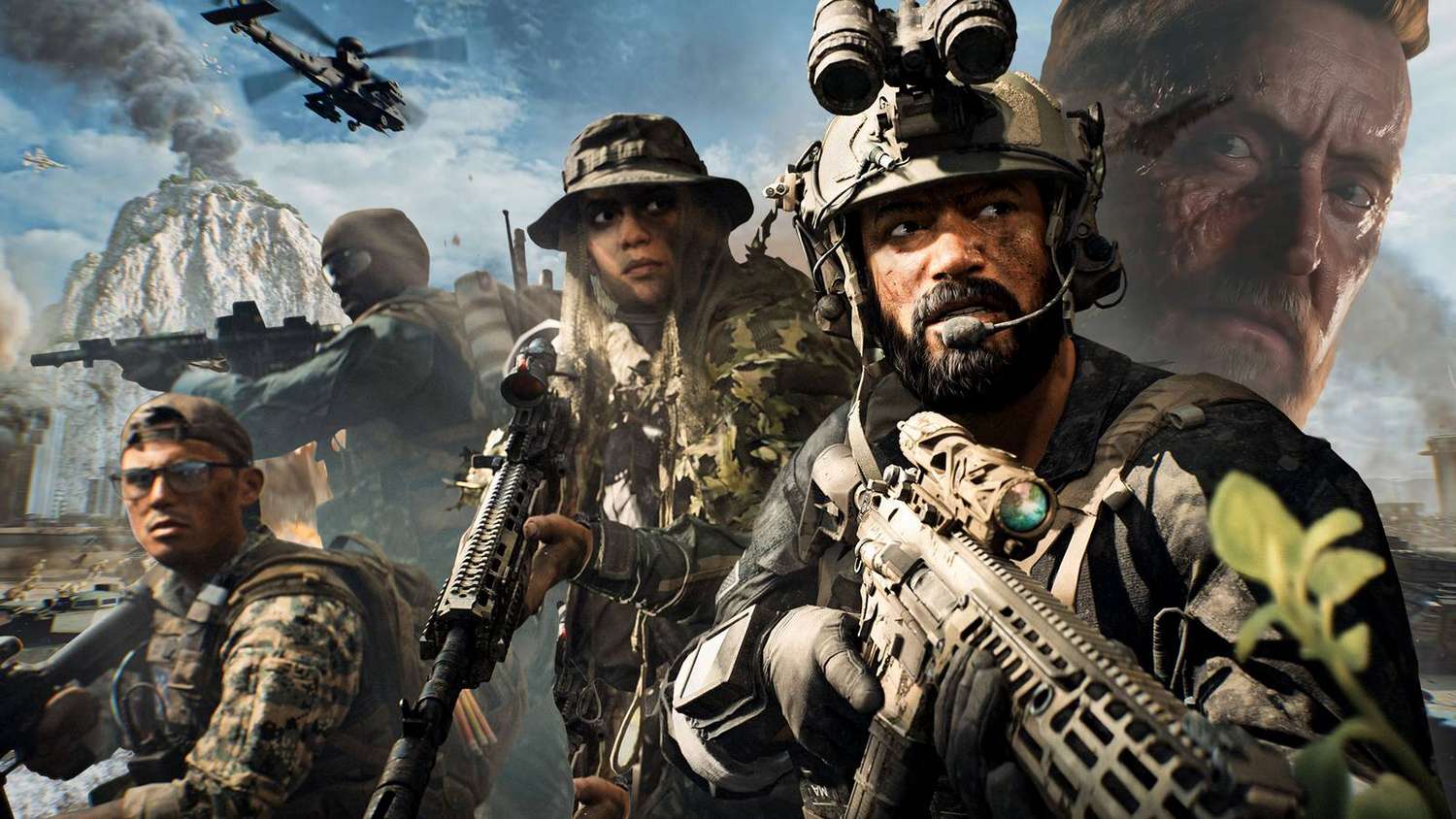 The single-player’s success in terms of raw completion numbers is a notable counterpoint to the more ‘Mixed’ user reviews on platforms like Steam, which often focus heavily on live-service concerns such as map design and Battle Royale integration. This bifurcation of player sentiment—positive engagement with the campaign versus mixed feelings on some multiplayer design decisions—presents a complex challenge for the developers.
The studio has already responded to player feedback by introducing modes like “Casual Breakthrough” and making significant overhauls to progression and weapon handling, moves largely targeted at improving the multiplayer experience. However, the surprisingly high completion rate for the narrative mode might necessitate a new strategy that formally integrates the campaign experience into the overall Battlefield Universe narrative, especially as Season 1 progresses.
The message to the video game industry is clear: players who spend premium prices on a title are looking for a complete, high-quality experience. While the multiplayer is the engine of long-term revenue, a compelling, or at least technically impressive, single-player campaign is a vital factor in player retention and overall satisfaction, proving that narrative is not dead in the world of First-Person Shooters.