
Industry Veteran Delivers Critical Warning: AI as Game Developer Replacement is ‘Premature,’ Layoffs are Opex Cuts, Not Innovation










Popular Now
 Minecraft
 Gacha Club
Among Us
Gacha Club
Among Us
 Stumble Guys
 Fortnite
 BeamNG.drive
 Roblox
 PUBG Mobile
NBA 2K24
PUBG Mobile
NBA 2K24
 The Legend of Zelda
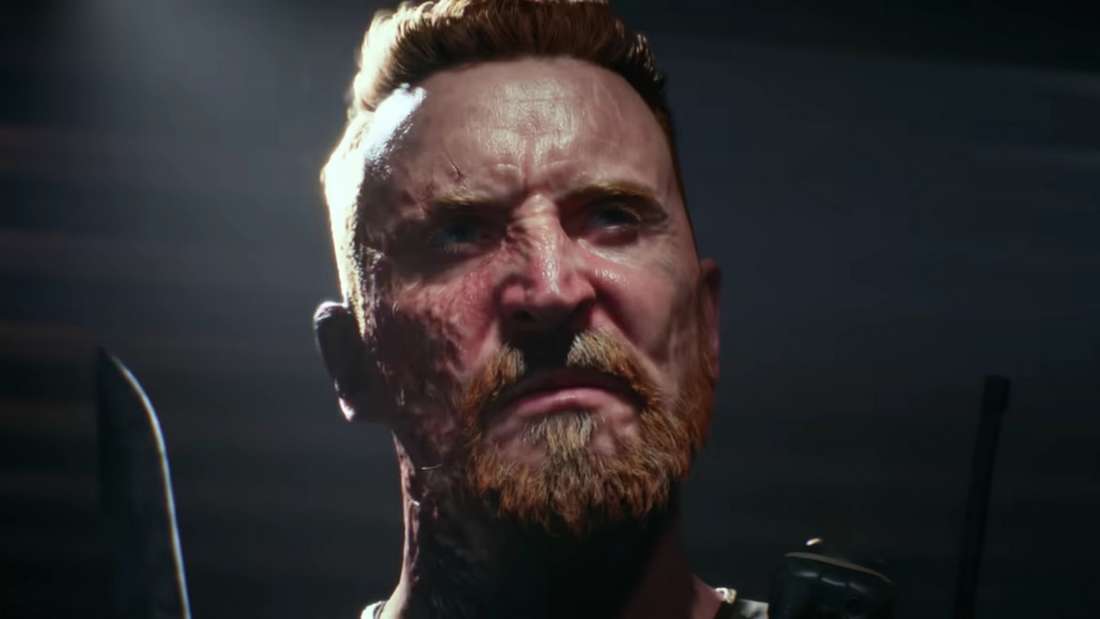 The intensifying debate surrounding the integration of Artificial Intelligence (AI) into the Game Development pipeline has reached a critical juncture, drawing sharp commentary from one of the industry’s most seasoned figures. Greg Street, a former lead systems designer on World of Warcraft at Blizzard and former executive producer for the League of Legends MMO at Riot Games, has publicly dismissed the notion that AI is currently ready to displace human developers, branding the idea as “a little bit premature.” Street’s remarks arrive amid a wave of mass Tech Layoffs and increasing corporate rhetoric prioritizing AI as a replacement for human capital, a trend that is dramatically impacting the Video Game Industry workforce.
 The Current State of AI in Creative Production
In a series of pointed social media posts, Street acknowledged the potential future role of AI but emphasized its immediate limitations, stating, “AI may one day accelerate game development. But it’s not happening today.” This distinction is crucial for understanding the current capabilities of generative AI tools. While they excel at automating mundane or highly procedural tasks, they have not demonstrated the ability to create the complex, cohesive, and narratively compelling experiences that define successful, high-quality games.
- AI is currently being used successfully as a Productivity Tool, helping with tasks such as:
- Generating extensive and varied Game Assets like terrain and simple weapon variants.
- Automating certain aspects of Quality Assurance (QA) and debugging by simulating millions of player interactions.
- Assisting with procedural content generation (PCG) for vast, un-curated game worlds.
- However, the consensus among industry veterans is that AI remains severely challenged by the core creative demands of AAA game development:
- Crafting Cohesive Storytelling and complex, emotionally resonant narratives.
- Developing and balancing intricate Game Systems and economies in titles like Massively Multiplayer Online (MMO) games.
- Providing the vision and leadership necessary to guide multi-year, multi-million dollar projects to launch.
Layoffs as Financial Strategy, Not Technological Advancement
Street offered a stark, business-focused interpretation of the ongoing mass layoffs plaguing the sector. He suggested that many companies are using the hype surrounding AI as a convenient, and misleading, justification for painful organizational downsizing. “All of these layoffs are just to cut opex [operating expenses] and make the stock prices go up,” he asserted. This perspective challenges the narrative that AI-driven efficiency is the root cause of job losses, reframing them as strategic maneuvers designed to improve short-term financial metrics for Shareholder Value.
This aggressive cost-cutting, Street warns, comes with a significant strategic risk. The elimination of experienced developers—the human capital responsible for the industry’s most valuable intellectual property (IP)—will inevitably “lead to empty portfolios for the next few years.” This loss of institutional knowledge and creative capacity means that when AI is eventually mature enough to be a true accelerant, the experienced workforce required to guide and integrate it will be significantly diminished, creating a potential innovation vacuum and threatening long-term Revenue Streams.
 The True Value of Human Developers in MMOs
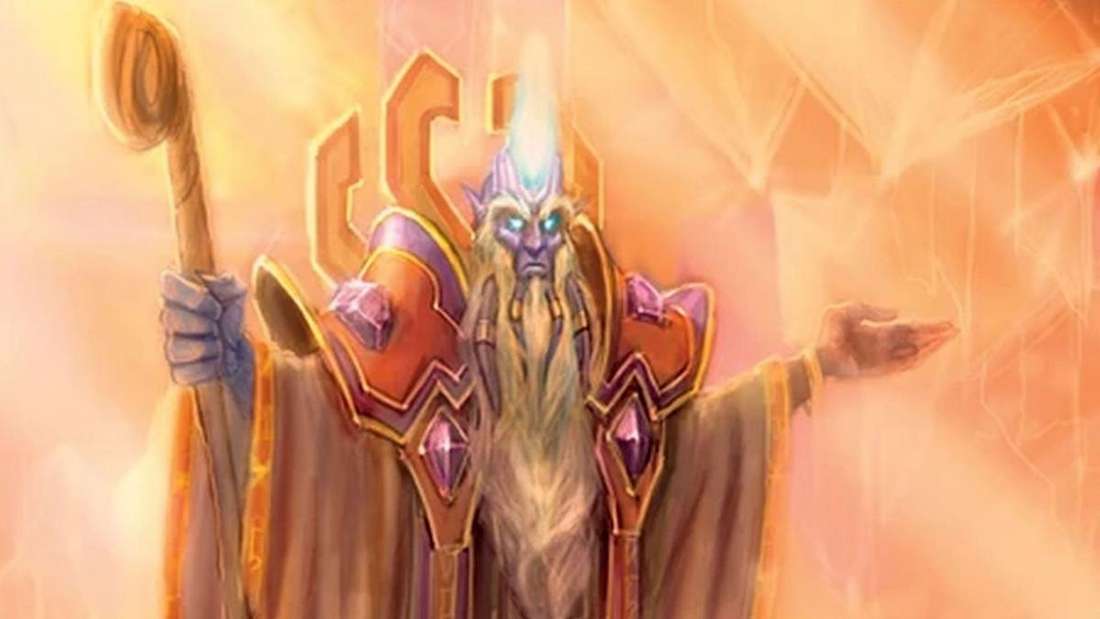
The perspective of a veteran from the demanding MMO Development space holds particular weight. MMOs, like World of Warcraft and the ambitious League of Legends MMO project, require a uniquely human touch for success:
- Long-Term Vision: MMOs are live-service games designed for multi-decade lifespans, requiring continuous updates, community engagement, and complex, adaptive design choices that are far beyond the scope of current AI models.
- Systemic Cohesion: The interplay between combat, economy, and social systems in an MMO demands intricate manual balancing and iterative design, often over years of real-world playtesting and community feedback.
- Emotional Connection: The loyalty and high Customer Retention rates of successful MMOs are built on compelling narratives, memorable characters, and a community feeling—all elements that rely on profound human creativity and empathy.
Street’s commentary serves as a critical counter-narrative to the prevailing AI hype, emphasizing that true innovation in Software Development and Game Design today still requires human expertise. The current use of AI is to automate tasks, not to replace the creative and systemic thinking that drives the industry’s most valuable properties. Studios that prioritize short-term cost reduction over retaining experienced talent may find themselves unable to deliver the high-quality, complex experiences that players are willing to pay a Premium Price for in the future.
Keywords for SEO/CPC: AI in Game Development, Game Developer Layoffs, Greg Street, World of Warcraft, League of Legends MMO, Generative AI, Tech Layoffs, Game Assets, Productivity Tool, MMO Development, Shareholder Value, Game Systems, Software Development, Video Game Industry News, Creative Capital, Revenue Streams, Customer Retention, Premium Price.
Would you like to explore the potential ethical and legal challenges facing game studios as they begin to adopt generative AI tools for content creation?