
Strategic Overhaul: The Battle of Polytopia Unveils Game-Changing Rework for Fan-Favorite Cymanti Tribe










Popular Now
 Valorant
 PUBG Mobile
Among Us
PUBG Mobile
Among Us
 Grand Theft Auto V
 Free Fire
 Fortnite
 Minecraft
 Rust
Rust
 Brawl Stars
The Battle of 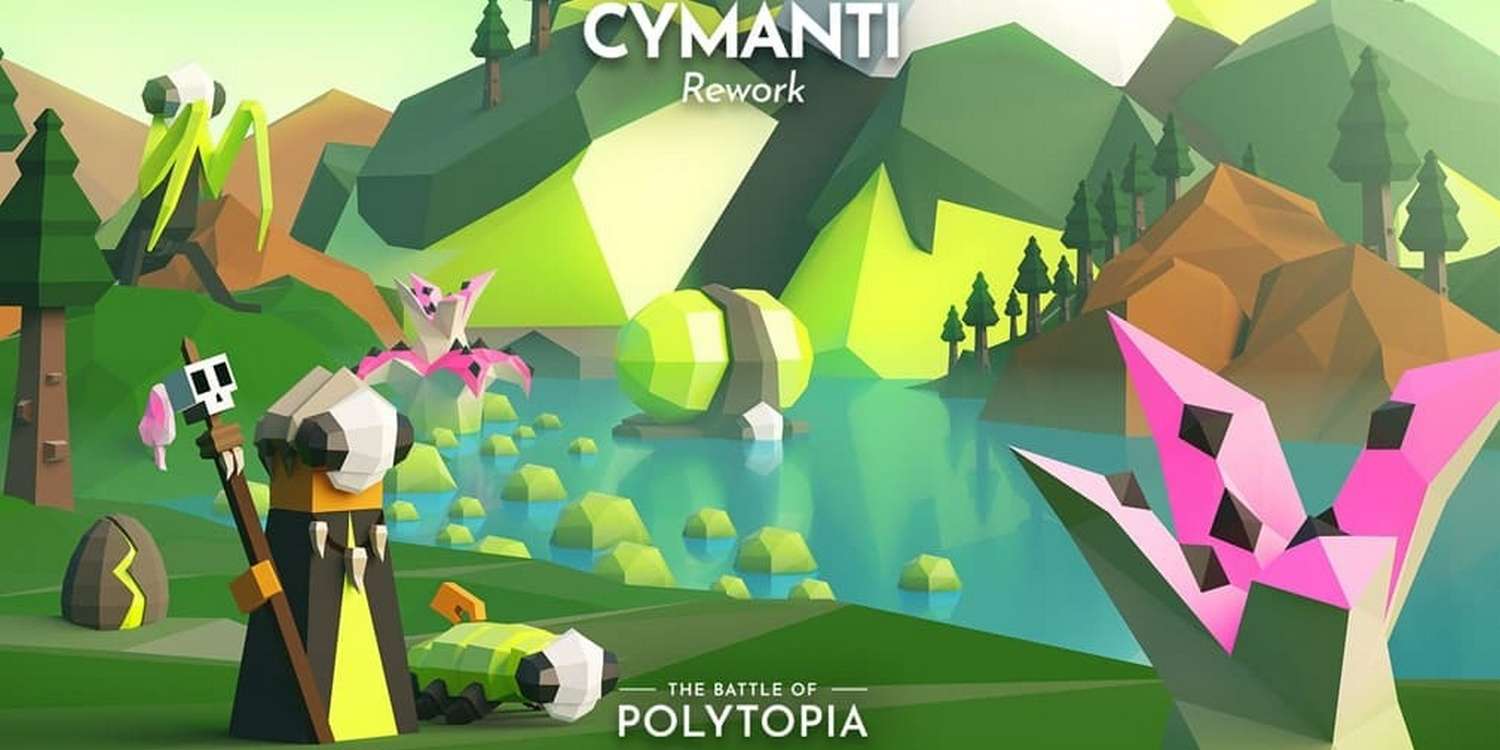 ’s Cymanti Tribe Receives Major Balancing Rework: A Deep Dive into Strategic Shifts
In the ever-evolving world of mobile and PC strategy gaming, developers often face the delicate task of balancing gameplay mechanics to ensure a fresh, engaging, and competitive experience. Midjiwan AB, the creators behind the critically acclaimed turn-based strategy game, The Battle of Polytopia, have recently rolled out a significant update targeting one of its most distinctive and polarizing tribes: the Cymanti. This comprehensive rework, announced to eager fans and the competitive community, promises to fundamentally alter how players engage with the fungus-ridden faction, sparking new strategic discussions and demanding adaptation from even the most seasoned Polytopia veterans.
The Cymanti tribe, known for its unique bio-luminescent units, poisonous attacks, and sprawling fungal growth, has long been a subject of debate within the Polytopia community. Their distinctive playstyle, which diverges sharply from conventional resource management and unit production, has made them both a fan favorite for their novelty and a frequent target for balance adjustments. The previous iteration of Cymanti often allowed for incredibly aggressive early-game pushes or, conversely, could struggle if their initial momentum was stifled. Midjiwan’s objective with this rework is clear: to refine the tribe’s identity, enhance strategic depth, and ensure a more balanced ecosystem across all available tribes, addressing common pain points related to their power spikes and overall utility.
Understanding the Pre-Rework Cymanti and the Rationale for Change
Before delving into the specifics of the overhaul, it’s crucial to understand the original strengths and weaknesses of the Cymanti. Their core mechanics revolved around:
- Fungal Growth: Spreading fungus over the map, which allowed for unique resource generation and unit movement.
- Poison: A signature mechanic that dealt damage over time, making even weaker units potent threats.
- Unique Units: Such as the Exida (healing unit), Centipede (high damage, multi-segment unit), and Doomux (a powerful late-game tank with area-of-effect capabilities).
- Economic Differences: Relying on population growth from mushrooms rather than traditional city upgrades, and gaining stars from killing units on fungus.
While innovative, these mechanics often led to scenarios where Cymanti could snowball uncontrollably if not countered perfectly in the early game, leading to frustration for opponents. Conversely, if their fungus expansion was halted, they could quickly fall behind, leading to a less engaging experience for the Cymanti player. Community feedback highlighted these extremes, prompting Midjiwan to re-evaluate the tribe’s core design. The developers aimed to smooth out these power curves, making the tribe more consistently viable without being overwhelmingly dominant, thus promoting healthier competitive play and diverse meta-strategies.
Key Changes Introduced in the Cymanti Rework
The rework introduces several critical adjustments across Cymanti’s unit roster, economic system, and core abilities. These changes are designed to shift strategic priorities and encourage more nuanced gameplay:
Unit Adjustments and Rebalancing:
- Exida: This healing unit often felt either too strong or too weak depending on the situation. The rework likely refines its healing capabilities, possibly adjusting its movement or defense to make it a more tactical, less omnipresent support unit. Its cost or production requirements might also see adjustments to prevent early-game spam.
- Centipede: The multi-segmented Centipede was a defining Cymanti threat. Changes here might involve modifications to its segment health, attack power, or the cost of producing new segments. A common complaint was its ability to apply significant pressure early on; therefore, its early game effectiveness might be toned down in favor of more balanced mid-to-late game utility.
- Doomux: The mighty Doomux, often seen as Cymanti’s late-game powerhouse, could see adjustments to its health, attack, or area-of-effect damage. The goal might be to make it less of an unstoppable force and more of a strategic siege weapon that requires careful positioning and support.
- Other Units (Hexapod, Phychi): Minor adjustments to these units might also be present, focusing on their specific roles. For instance, the Hexapod’s dash ability or the Phychi’s flight could be tweaked for better strategic integration.
Economic and Fungal Mechanics Overhaul:
- Fungal Growth Mechanics: The speed and method of fungal spread are likely to be primary targets. Perhaps the rate of spread is slightly reduced, or the cost associated with generating new fungus is altered. This would impact Cymanti’s ability to quickly dominate territory and generate stars.
- Star Generation from Kills on Fungus: This unique economic boost might be re-evaluated. The amount of stars gained could be adjusted, or the conditions under which they are gained could become more restrictive, making this aspect of their economy less oppressive.
- Mushroom Production and Population: The way mushrooms contribute to population growth and city levels could be streamlined or rebalanced. This aims to make Cymanti’s internal economy more predictable and less prone to either boom or bust scenarios.
Tech Tree Implications:
With unit and economic changes, the value proposition of certain technologies within Cymanti’s unique tech tree will also shift. Players will need to re-evaluate which technologies to prioritize, potentially opening up new build orders and strategic pathways. For instance, if Exidas are less spammable, the technology enabling them might not be as universally rushed, allowing for earlier investment in other areas.
Strategic Implications for The Battle of Polytopia Meta
This rework is poised to have a profound impact on The Battle of Polytopia’s competitive meta. Players, both casual and high-ranking, will need to:
- Adapt Early Game Strategies: Cymanti players might find their initial aggressive pushes less potent, requiring them to consider more defensive or resource-focused openings. Opponents will need to assess if the threat of early Cymanti pressure is mitigated, allowing for different expansion strategies.
- Re-evaluate Mid-Game Power Spikes: The Centipede’s role in the mid-game might become more about tactical engagements rather than overwhelming force. This could lead to longer, more drawn-out battles where unit composition and positioning become even more critical.
- Rethink Late-Game Compositions: If the Doomux is less dominant, Cymanti players might need to diversify their late-game army, incorporating more balanced units or relying more heavily on the unique properties of other units.
- Counter-Tribes and Matchups: The strength and weaknesses against other tribes (like Kickoo, Bardur, Imperius, etc.) will undoubtedly shift. Matchups that were previously highly favored or disfavored for Cymanti might become more balanced, fostering a healthier overall competitive environment. This ensures that the game remains a premier turn-based strategy experience on mobile and PC platforms.
The changes are designed to elevate the skill ceiling for Cymanti players, rewarding those who can master the tribe’s new nuances rather than simply relying on its historical strengths. This focus on strategic depth is a hallmark of successful real-time and turn-based strategy titles, ensuring longevity and player engagement.
Community Reception and Developer Insights
As with any major game update or balancing patch, the community response has been a mix of excitement, apprehension, and detailed analysis. Experienced players are already theory-crafting new build orders and tactical approaches, sharing their initial impressions across various gaming forums and social media channels. Developers at Midjiwan AB have emphasized that these changes stem from extensive internal testing and invaluable community feedback, underscoring their commitment to refining the Polytopia experience. Their goal is not to weaken the Cymanti tribe but to recalibrate its power to be more consistently strategic and less prone to extreme outcomes, ultimately making it a more enjoyable tribe to play as and against.
This rework reflects a broader trend in the live-service gaming industry: continuous iteration and refinement. For a game like The Battle of Polytopia, which thrives on its competitive scene and replayability, such strategic overhauls are vital for maintaining interest and attracting new players looking for high-quality mobile strategy games or engaging PC titles. The developers are likely to monitor player data and community feedback closely in the weeks and months following the update, ready to make further micro-adjustments if necessary.
Conclusion: A New Era for Cymanti and Polytopia
The Battle of Polytopia’s latest rework of the Cymanti tribe marks a pivotal moment for the game. By addressing long-standing balance concerns and injecting fresh strategic possibilities, Midjiwan AB has reaffirmed its dedication to providing a top-tier turn-based strategy experience. Players are now challenged to unlearn old habits and embrace new strategies, making the exploration of Cymanti’s revamped toolkit an exciting prospect. Whether you are a long-time Polytopia enthusiast or a newcomer seeking an engaging strategy game, this update promises a revitalized gameplay experience, ensuring that the battles for the square remain as dynamic and captivating as ever. Dive in, adapt your tactics, and conquer the Polytopian lands with the newly refined power of the Cymanti!