
Battlefield Community Proposes Innovative Conquest Mode Enhancements for Future Installments









Popular Now
Candy Crush Saga
 R.E.P.O
 Roblox
 Sonic the Hedgehog™ Classic
 Call of Duty
Stumble Guys
God of War Ragnarök
Call of Duty
Stumble Guys
God of War Ragnarök
 FIFA 23
 Among Us
 Genshin Impact
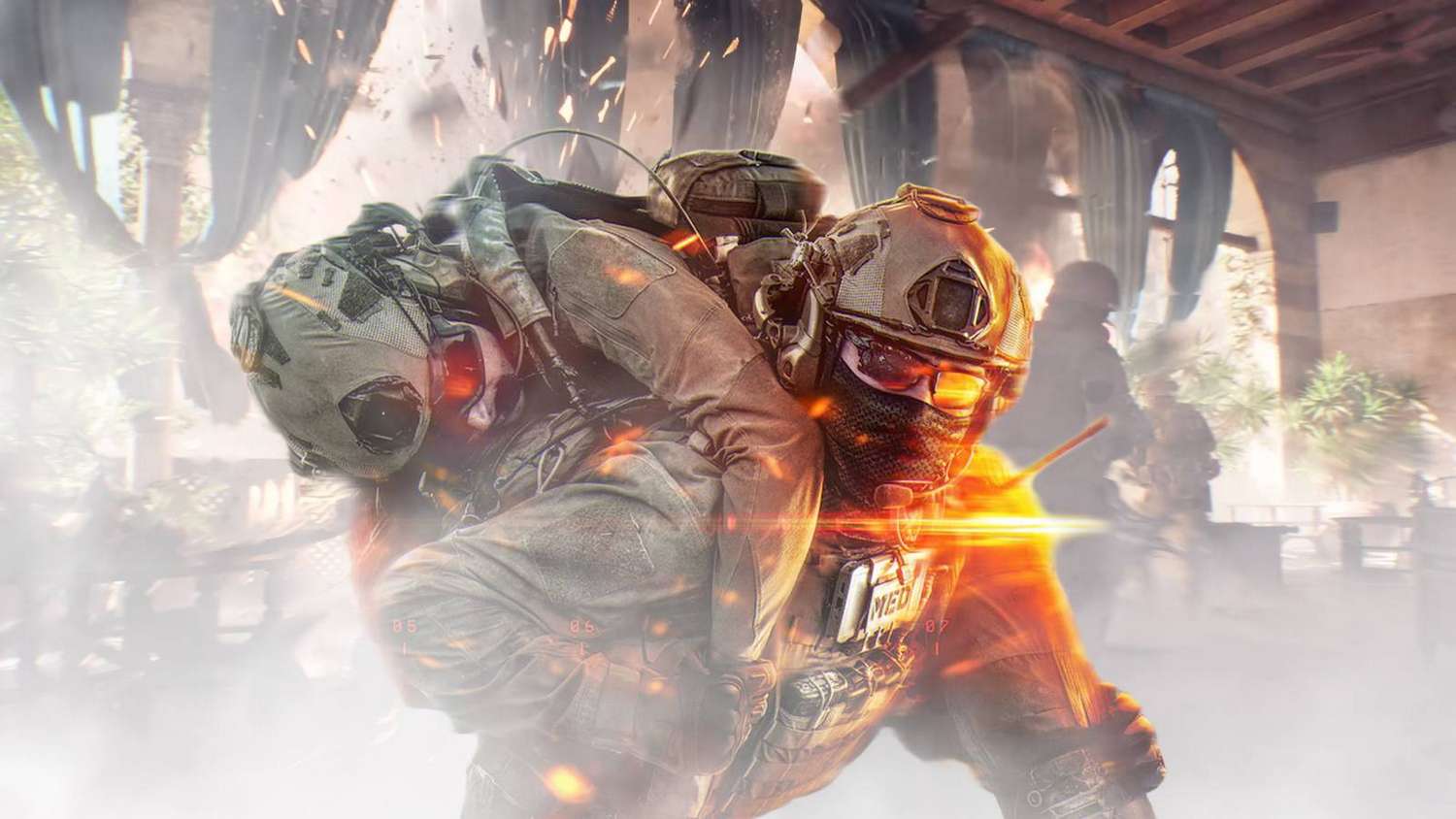 Fan-Driven Innovation: Reinventing Battlefield’s Iconic Conquest Mode
The Battlefield franchise, renowned for its large-scale multiplayer engagements and strategic gameplay, continues to be a cornerstone of the first-person shooter (FPS) genre. With anticipation building for future iterations, often colloquially referred to as Battlefield 6 or the ‘next Battlefield title,’ the gaming community actively engages in discussions about potential improvements. A recent proposal from a dedicated fan has sparked considerable interest, suggesting novel ways to introduce greater variety and depth to the classic Conquest mode, a core pillar of the series’ appeal.
This innovative concept aims to address the perceived staleness that can sometimes creep into protracted gameplay sessions, even in a title like Battlefield 2042, which continually receives updates. The idea centers on evolving the fundamental objective capture mechanics, promising a refreshed and more dynamic combat experience that could significantly boost player retention and engagement.
The Core Challenge: Maintaining Engagement in Battlefield’s Conquest Mode
For decades, Conquest mode has been Battlefield’s signature offering. Two teams battle to control key objectives, typically flags scattered across expansive maps. Capturing and holding these flags drains the enemy team’s ticket count, with the ultimate goal of reducing it to zero. While fundamentally sound, this formula, despite its enduring popularity, can occasionally feel repetitive over hundreds of hours of gameplay. Players often develop routine strategies, and the predictability of objective locations can diminish the sense of spontaneity and strategic surprise.
This is where community-driven ideas become invaluable. Game developers like DICE are constantly seeking ways to innovate while preserving the essence of what makes Battlefield great. The fan’s suggestion aligns perfectly with the desire for fresh content and enhanced multiplayer experiences, focusing on how to make each Conquest match feel unique and unpredictable.
A Vision for Dynamic Objectives and Evolving Battlefields
The fan’s proposal, widely discussed on gaming forums and social media, introduces several layers of complexity and variety to the existing Conquest framework. At its heart is the concept of dynamic objectives and phases within a single match, rather than static flag points throughout.
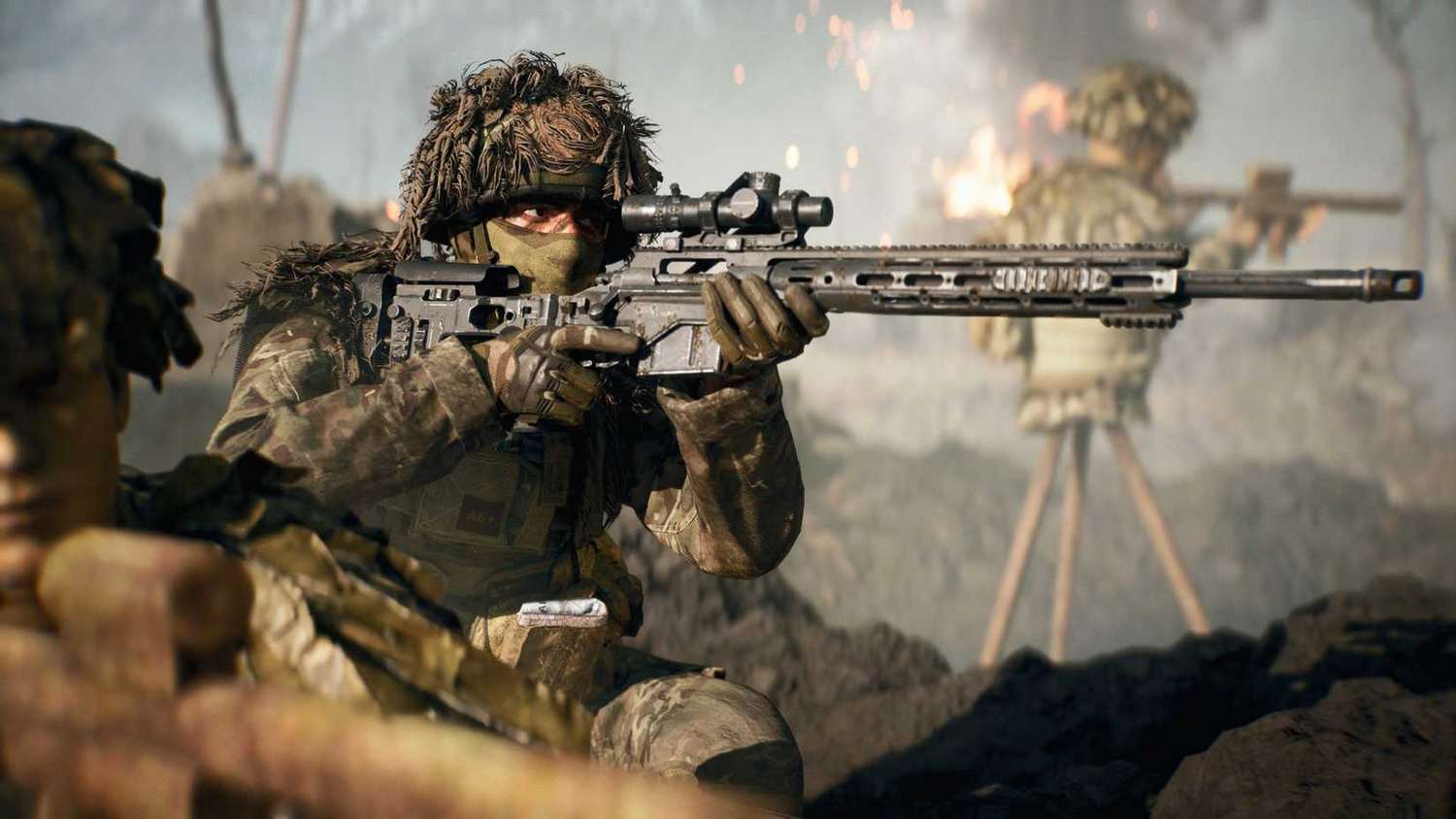
- Evolving Flag Locations: Instead of fixed A, B, C flags, the idea suggests that flags could ‘mutate’ or change their primary capture point within a sector mid-game. For example, Flag A might start as a bunker but shift to a nearby communications tower after a certain time or condition is met. This forces teams to constantly adapt their defense and offense.
- Secondary Objectives: Introducing temporary, high-value secondary objectives that appear periodically. These could be:
- Mobile Command Centers: A convoy that needs to be escorted or destroyed, offering a substantial ticket bonus or penalty.
- Resource Depots: A neutral zone that, if captured and held for a duration, provides a team with unique vehicle spawns or powerful weapon drops.
- Critical Infrastructure: A bridge or dam that, if destroyed (or defended from destruction), drastically alters the map layout for the remainder of the match.
These high-stakes combat scenarios would divert attention and create intense focal points, breaking the traditional three-lane objective push.
- Adaptive Map Elements: Imagine weather events that are not just visual but affect gameplay, like a sandstorm that temporarily blinds certain flag points, or a flood that makes an area traversable only by boats or amphibious vehicles. The fan suggests going beyond this to environmental triggers that dynamically alter the map. For instance, successfully defending a flag might reinforce it with new cover, or losing one might trigger a counter-offensive AI patrol in that area.
- Phase-Based Gameplay: The match could progress through distinct phases. An initial phase might be traditional Conquest, but then transition into a ‘push’ phase similar to Rush mode, focusing on a critical objective once a certain number of tickets are depleted. This blends different popular game modes within a single match, keeping players on their toes.
These proposed changes would add immense strategic depth and replayability, transforming each Conquest match from a predictable struggle over static points into an evolving narrative of shifting priorities and unpredictable engagements. This could be a game-changer for premium gaming experience seekers.
Analyzing the Potential Impact on Player Experience and Game Design
The implications of such a system for the Battlefield player experience are significant. Firstly, it would dramatically increase gameplay variety, a critical factor for long-term player retention. Matches would feel less like repetitions and more like unique scenarios, demanding constant tactical adjustments from players and squads.
Secondly, it encourages greater teamwork and communication. With dynamic objectives and evolving threats, lone wolf play would be less effective. Squads would need to coordinate more effectively to prioritize objectives, respond to emergent threats, and exploit temporary advantages. This could foster a stronger sense of community and collaborative achievement within the game.
From a game design perspective, implementing these features would undoubtedly be complex. DICE would need to meticulously balance the random elements with competitive fairness. The introduction of mobile or temporary objectives would require sophisticated AI pathfinding and objective scripting. However, the potential rewards – a more engaging, challenging, and ultimately more rewarding multiplayer experience – could justify the development effort.
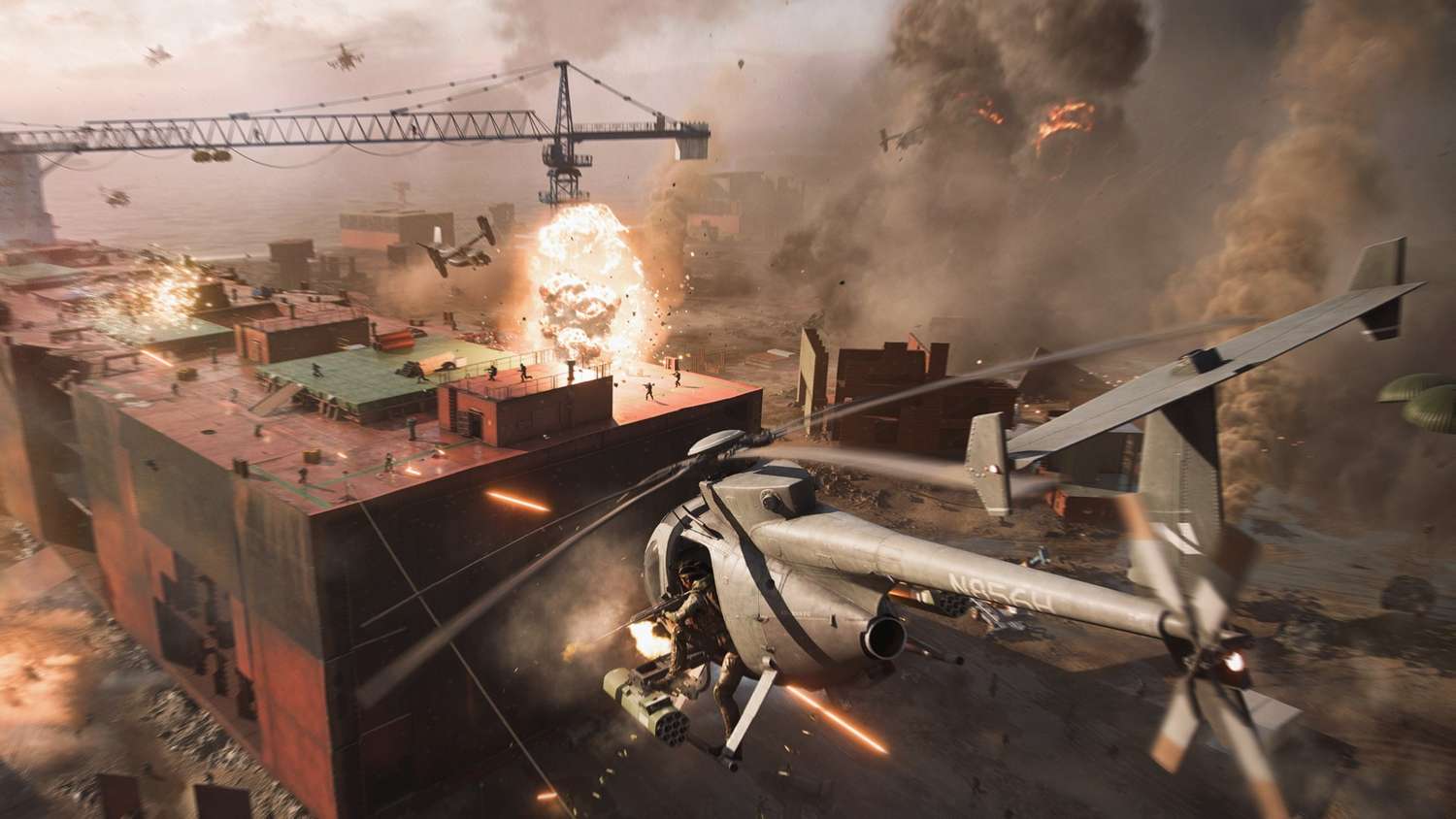
Furthermore, such a system could offer new avenues for live service model content. New types of dynamic events, environmental shifts, or secondary objectives could be introduced over time, providing fresh content without necessarily requiring entirely new maps, thus extending the lifecycle and monetization potential of the game.
The Road Ahead: Community Voice in Game Development
The enthusiasm surrounding this fan-generated idea underscores the power of the gaming community in shaping the future of their favorite franchises. While specific implementations may vary, the core desire for deeper, more varied gameplay in modes like Conquest is clear. Developers often monitor these discussions closely, as they represent a valuable wellspring of feedback and innovative concepts.
As the industry moves towards increasingly sophisticated and interconnected game worlds, listening to player feedback and integrating creative community ideas can be a powerful differentiator. For a series like Battlefield, which thrives on its community, embracing such visionary proposals could ensure that its next iteration not only meets but exceeds expectations, setting a new standard for large-scale tactical shooters and cementing its legacy in the competitive landscape of FPS gaming.
Ultimately, the proposal for a more varied and dynamic Conquest mode isn’t just about new features; it’s about pushing the boundaries of what a multiplayer experience can be, ensuring that every battle feels epic, unpredictable, and endlessly replayable. This is the kind of forward-thinking that could define the next generation of Battlefield gameplay and captivate players worldwide.