
Koyoharu Gotouge Illuminates Why Tanjiro Kamado Never Achieved Hashira Status in Demon Slayer









Popular Now
God of War Ragnarök
 Warframe
 BeamNG.drive
 Call of Duty
 Sonic the Hedgehog™ Classic
 Free Fire
 Counter-Strike 2
 Among Us
 Minecraft
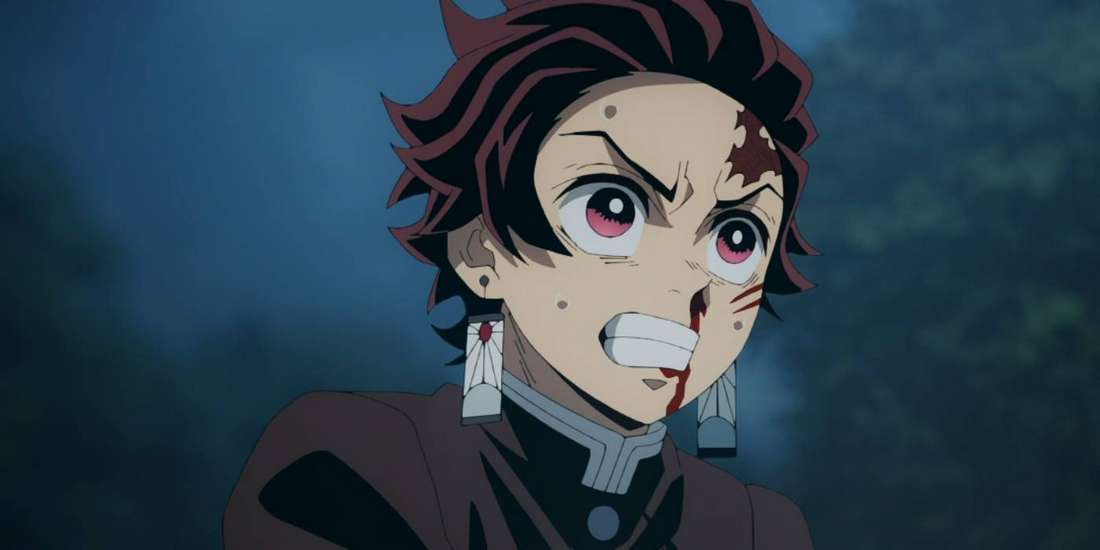 For millions of Demon Slayer: Kimetsu no Yaiba enthusiasts worldwide, the journey of Tanjiro Kamado from a humble charcoal seller to a formidable demon slayer has been nothing short of epic. His unwavering resolve, unique abilities, and direct involvement in some of the most critical battles against Muzan Kibutsuji and the Twelve Kizuki seemed to naturally pave the way for a promotion to the esteemed rank of Hashira. Yet, as the final chapters of Koyoharu Gotouge’s critically acclaimed manga concluded, Tanjiro never officially bore the title of a Hashira. This significant plot point has long been a subject of fervent discussion, generating countless fan theories and deep dives into character development. Now, through various interviews and supplementary materials, insights from the series’ enigmatic creator, Koyoharu Gotouge, have shed definitive light on this narrative choice, offering crucial understanding into Tanjiro’s destiny and the overarching themes of the Demon Slayer Corps.
The Pinnacle of Power: Understanding the Hashira Role
To truly grasp the implications of Tanjiro’s non-Hashira status, it is essential to comprehend what the title signifies within the Demon Slayer universe. The Hashira, often referred to as the ‘Pillars,’ represent the absolute zenith of power, skill, and dedication within the Demon Slayer Corps. They are elite swordsmen, each a master of a specific breathing style, tasked with leading the fight against demons. Their responsibilities extend beyond combat; they embody leadership, strategic command, and are the primary protectors of humanity. Becoming a Hashira is an arduous path, demanding not only immense physical and spiritual strength but also a proven track record of significant achievements against powerful demons.
- Defeating a Twelve Kizuki Member: A primary requirement is to either slay a member of the Twelve Kizuki, particularly an Upper Rank, or accumulate an impressive tally of demon kills, typically around fifty.
- Mastery of Breathing Styles: Each Hashira demonstrates unparalleled proficiency in their chosen breathing technique, pushing its limits to achieve superhuman feats.
- Years of Service and Experience: The path to becoming a Hashira is typically long, involving rigorous training and countless dangerous missions, honing both combat prowess and tactical acumen.
- Unwavering Resolve and Leadership: Beyond strength, a Hashira must possess an iron will, an indomitable spirit, and the capacity to lead and inspire other demon slayers.
Given these stringent criteria, Tanjiro’s exceptional growth and direct contribution to the defeat of multiple Upper Rank demons and ultimately Muzan himself made his omission from the Hashira ranks a compelling mystery for many anime fans and manga enthusiasts seeking comprehensive story analysis.
Tanjiro’s Unprecedented Journey and Untapped Potential
Tanjiro Kamado’s journey is characterized by extraordinary circumstances from its very inception. He begins as an untrained individual, driven by the sole purpose of finding a cure for his demon sister, Nezuko, and avenging his family. His natural empathy and unique sense of smell set him apart, allowing him to perceive the emotions of both humans and demons. Throughout the series, Tanjiro consistently surpasses expectations, showcasing remarkable combat potential:
- He quickly masters Water Breathing, adapting it with surprising agility.
- He awakens the legendary Sun Breathing, a lost art that is the original and most powerful breathing style, directly linking him to the progenitor of all demon slayers, Yoriichi Tsugikuni.
- He participates directly in the defeat of Upper Rank Six (Gyutaro), Upper Rank Four (Hantengu), Upper Rank Three (Akaza), and ultimately plays a pivotal role in the final confrontation against Muzan Kibutsuji.
His capabilities, combined with his unwavering moral compass and ability to inspire those around him, certainly presented a strong case for his promotion. His rapid progression and involvement in high-stakes battles arguably outstripped the accomplishments of many who eventually became Hashira. This stark contrast between his undeniable strength and his ultimate rank is precisely why Koyoharu Gotouge’s explanation carries significant weight for understanding the series’ conclusion.
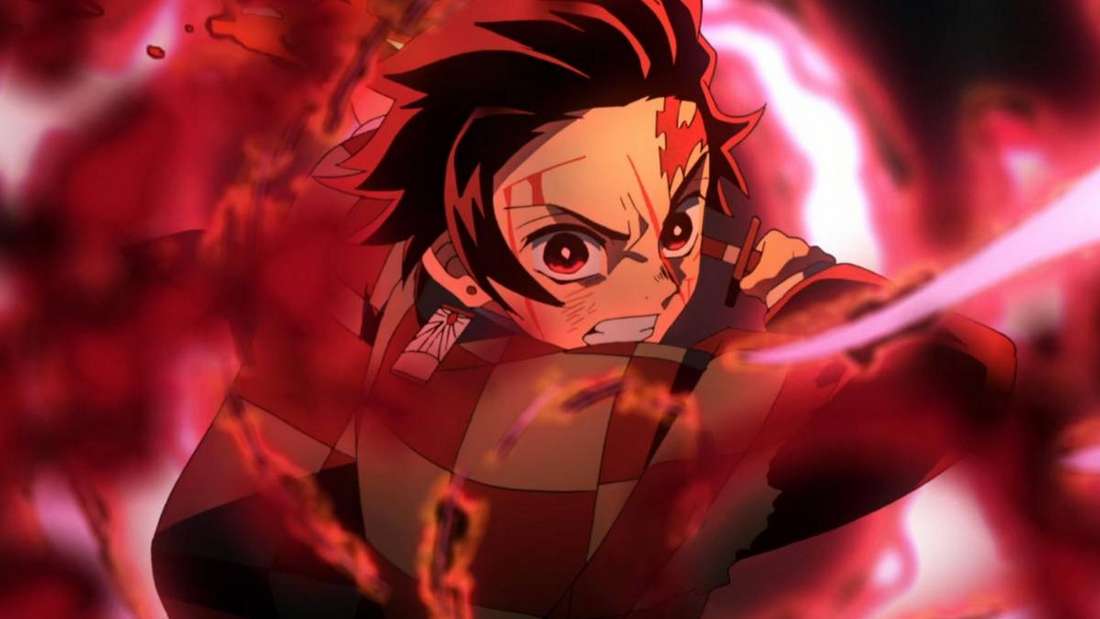 Koyoharu Gotouge’s Definitive Explanation: A Hero Beyond Rank
The core of Gotouge’s revelation regarding Tanjiro’s Hashira status lies in several key narrative and practical considerations that transcend conventional expectations of a shonen protagonist‘s ascension. The author’s intent was not to elevate Tanjiro to a specific rank but to fulfill his inherent purpose: to eradicate the demon threat and bring an end to the era of fear. The reasons are multi-faceted and reflect a profound understanding of narrative choices and the realistic aftermath of a grueling war.
- The Immediate Dissolution of the Demon Slayer Corps: Perhaps the most practical and immediate reason is the disbandment of the Demon Slayer Corps shortly after Muzan’s defeat. With the progenitor of all demons vanquished, the organization’s primary purpose ceased to exist. There was no longer a need for a hierarchical structure, and thus, no need for new Hashira to be appointed. This swift conclusion to the Corps’ existence rendered any such promotion moot.
- Tanjiro’s Physical and Emotional Toll: The battles, especially the final confrontation with Muzan, left Tanjiro severely injured, both physically and emotionally. He endured life-threatening wounds, lost an arm and an eye, and even briefly became a demon himself. His body was pushed to its absolute limits, and the recovery period would be extensive. Gotouge subtly conveyed that his focus needed to be on healing and living a normal life, rather than continuing to fight.
- Thematic Focus on Sacrifice and Resolution, Not Titles: Gotouge’s storytelling emphasizes the theme that true heroism is not about titles or accolades but about selfless sacrifice for the greater good. Tanjiro’s journey was always about protecting others and restoring his family, not about achieving a high rank. His ultimate achievement was saving humanity, a feat that far surpasses any individual title. Elevating him to Hashira status might have detracted from this powerful message, suggesting that a title was necessary for validation. His impact was felt through his actions, not his designation.
- A New Era of Peace: The ending of Kimetsu no Yaiba is about the dawn of a new, peaceful era where humans no longer live in fear of demons. Tanjiro, along with his fellow demon slayers, ensured this future. His role as the catalyst for this peace was his ultimate ‘rank.’ The series concluded with the promise of a peaceful existence, making further military-style promotions irrelevant.
These insights provide invaluable context for the series’ conclusion, transforming what some viewed as an oversight into a deliberate and thematically rich decision by the author. It showcases a maturity in storytelling where the hero’s reward is not status but the successful completion of their mission and the return to normalcy.
Thematic Resonance: Why Tanjiro’s Status Aligned with the Narrative
Gotouge’s decision for Tanjiro to remain a standard demon slayer, albeit one of legendary accomplishment, deeply resonates with the core philosophical underpinnings of Demon Slayer. The narrative consistently champions humanity’s resilience, empathy, and the strength found in connection, rather than the isolated pursuit of power. Tanjiro embodies these values. His compassion for demons, even while fighting them, is a recurring motif that sets him apart from the more hardened Hashira.
By denying him the Hashira title, Gotouge reinforced several key messages:
- Focus on Collective Effort: The victory against Muzan was a collective effort of the entire Demon Slayer Corps, not just Tanjiro’s individual triumph. While he was pivotal, every slayer, every Hashira, and even the Ubuyashiki family played an indispensable role. This prevents the narrative from becoming solely about one ‘chosen one’ and highlights the strength of unity.
- The Mundane Hero: Tanjiro was, at his core, an ordinary boy thrust into extraordinary circumstances. His heroism stemmed from his innate goodness and perseverance. Keeping him outside the formal ‘elite’ structure underscored that anyone, regardless of rank, could make a profound difference. This is a powerful message for the entertainment industry and a significant draw for its global audience, emphasizing accessibility in heroism.
- Narrative Closure: The story was designed to conclude the demon threat. Once that threat was neutralized, the need for a specialized military force dissolved. Tanjiro’s ultimate ‘goal’ was fulfilled, making a continuous climb up the ranks irrelevant to his personal arc’s resolution.
This approach highlights Gotouge’s masterful control over the story’s trajectory, ensuring that the ending was not merely satisfying but also thematically consistent with the entirety of Tanjiro’s profound journey.
Fan Perspectives and the Enduring Legacy of Demon Slayer
The clarification from Koyoharu Gotouge has provided a robust framework for understanding a much-debated aspect of Demon Slayer. While some fans might have initially hoped for Tanjiro to be recognized with the Hashira title, the author’s rationale offers a more nuanced and ultimately satisfying conclusion for many. It shifts the focus from conventional accolades to the deeper impact of one’s actions and the fulfillment of a purpose greater than personal glory. This perspective enriches the overall appreciation for the series’ intricate storytelling and character arcs.
Demon Slayer: Kimetsu no Yaiba continues to be a global phenomenon, generating substantial interest in its manga updates, anime news, and character analysis. Its appeal lies not just in its breathtaking action and stunning animation but also in its profound emotional depth and consistent thematic messaging. The insights into Gotouge’s creative decisions only serve to further solidify the series’ reputation as a storytelling masterclass, contributing to its enduring legacy and significant franchise value in the competitive premium entertainment market.
Conclusion: Tanjiro Kamado, A Hero Beyond Rank
In summation, Koyoharu Gotouge’s thoughtful approach to Tanjiro Kamado’s fate within the Demon Slayer Corps underscores a narrative wisdom that prioritizes thematic integrity over conventional power fantasies. Tanjiro’s true ‘rank’ was never dependent on a title; it was forged through his unwavering courage, his boundless compassion, and his instrumental role in bringing about an era of peace. By choosing to disband the Corps and allow its members, including Tanjiro, to return to normal lives, Gotouge delivered a powerful message: that the greatest victory is not just defeating the enemy, but securing a future where such battles are no longer necessary.
Tanjiro Kamado, the boy who once only sought to save his sister, became the hero who saved the world, achieving a status far more profound and impactful than any Hashira title could ever convey. His legacy is etched not in rank, but in the enduring peace he helped to create, a testament to his strength, sacrifice, and the unwavering human spirit that defines the heart of Demon Slayer: Kimetsu no Yaiba. This definitive understanding offers valuable insights for all who admire the series and its unparalleled storytelling.